
That question is usually one of four: what is on this site, what obligations attach to it, what will establish here, or whether what was installed is meeting its recovery objectives. Verdelora builds scope in stages so the work matches the question. Clients can enter at any stage and stop at any stage with a deliverable in hand.
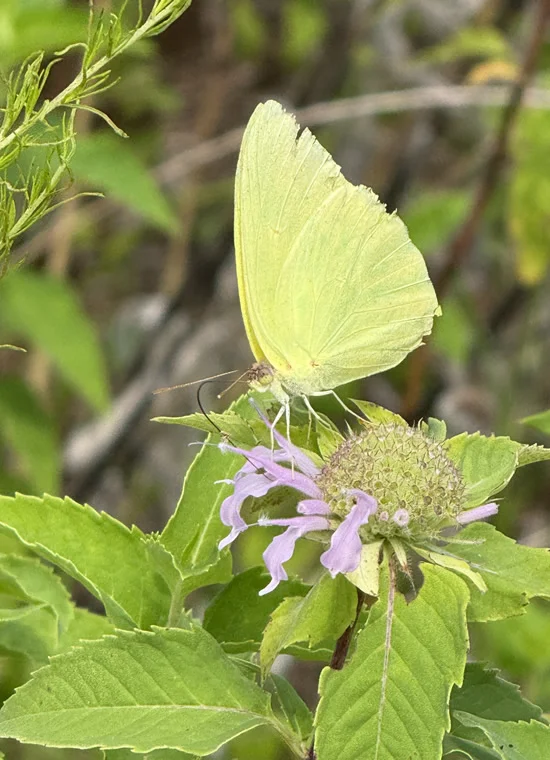
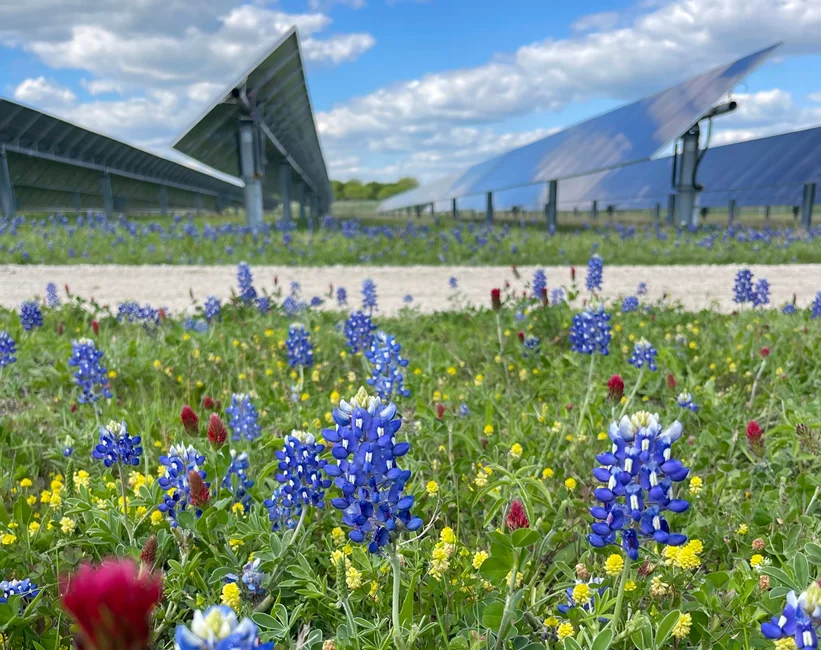
Work begins with the record. We compile soil survey and ecological site information, land use and management history, aerial imagery across available years, regulatory and species occurrence data, and any prior studies on the property. The output is a constraints and opportunities memorandum. It identifies the ecological sites present, the likely reference communities they support, the obligations attached to the property, and the questions the existing record cannot answer. A siting or feasibility question can often be answered at this stage, before a field visit.
Field work measures baseline conditions. Vegetation sampling quantifies species composition and cover by functional group, and locates native remnant vegetation. Soil sampling characterizes texture, compaction, pH, salinity, nutrient status, and organic matter. Biological condition is added where the design depends on it. Wildlife surveys document detections on and adjacent to the property and evaluate habitat suitability. Fixed, relocatable sampling locations are established at this stage, so each later year is directly comparable to baseline. The output is a baseline conditions report that identifies the constraints governing establishment on this site.
We build the reference community model the design works toward. It draws on ecological site potential, remnant vegetation on or near the property, and regional analogs in comparable condition. The model is adjusted for projected climate and for the land use regime the site will be held under. Recovery objectives are then written as measurable attributes covering threat abatement, soil condition, floristic composition, vegetation structure, functional processes, and connectivity. The expected degree of recovery is set here. A graded footprint under active operations and an intact remnant under stewardship carry different ceilings. This stage makes later monitoring interpretable.
Design translates the recovery objectives into a specification. Seed mixes are built on a pure live seed basis and matched to ecological site potential and to the management regime the site will receive. Site preparation, compaction relief, topsoil handling, seeding method and timing, and establishment-period management are specified. Management plans assign every commitment an action, a trigger, an accountable party, a verifying party, and a criterion that determines whether it has been met. Mixes and plans are versioned with their supporting rationale retained, so a substitution proposed in year three is evaluated against the original design intent.
We carry the specification into procurement and construction. We manage contractor solicitation and qualification. Proposals are evaluated on qualifications, past performance, and specification compliance. Delivered work is verified against the design. Seed tags, applied rates, treated acreage, and as-built disturbance boundaries are recorded and compared to what was specified. The output is a documented account of what was installed, where, and at what rate.
Monitoring returns to the fixed sampling locations established at baseline and measures the site’s position along the recovery gradient toward the reference model. Reports state the metrics, the trend, the criteria met and missed, and the adaptive response the plan calls for when a criterion is missed. Compliance reporting is tracked against survey windows and submittal deadlines. Plans are revised when a defined trigger occurs.
We state which questions existing data can answer, which require a field season, and which are governed by a survey window that sets the schedule. Most properties do not require the full sequence. Identifying which stages a site requires is the first step in a consultation.