Ecological Restoration.
Measured From the Ground Up.
Verdelora provides biodiversity, vegetation, and land management expertise for large-acreage properties. We support every phase of a restoration project: site assessment, planning, implementation, ongoing management, and monitoring and evaluation.
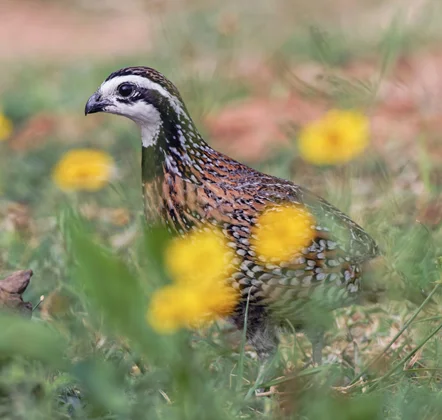
Voluntary habitat projects beyond permit requirements, such as quail habitat, burrowing owl habitat, and more. Verdelora designs the project, procures vendors, supports installation, and manages budget, schedule, data, mapping, and reporting.
Ecological study and monitoring designs with defined questions, measurable indicators, and sampling structured for analysis. Verdelora organizes the data, maps results, and delivers technical reports.
Permit-ready wildlife and biodiversity mitigation plans applying the mitigation sequence of avoidance, minimization, rectification, reduction over time, and compensation, including measures for special status species. Each commitment carries a named responsible party and a defined performance standard.
Verdelora builds a reference model for each site from the ecological site potential of the soils present, remnant vegetation on or near the property, and high-integrity regional reference sites on comparable ecological sites, adjusted for projected climate. The land use the site will be held under sets the recovery target relative to that model. The model is both the design specification and the monitoring standard, so progress in year five is reported as measured distance toward a stated target.
CHARACTERIZE
DEFINE
DESIGN
IMPLEMENT
MEASURE
MANAGE & ADAPT
Measured Against the Site's Own Reference Model
Targets are written as measurable attributes and scored against the site’s reference model. Recovery is reported as position along a gradient, not as a pass or fail determination. The degree of recovery a site is expected to reach is set when the plan is written.
Absence of Threats
Soil and Physical Conditions
Species Composition
Vegetation Structure
Ecosystem Function
Connectivity and External Exchanges
From Specification Through Verification
Verdelora develops the specification, evaluates and qualifies the vendors who bid it, and verifies delivered work against design intent. Verdelora does not bid installation or treatment work, so procurement and compliance review stay independent of field-service sales.
SPECIFY
QUALIFY
PROCURE
OVERSEE
VERIFY
Restoration Ecology and Land Management Experts
Verdelora is a Texas-based ecological consulting practice working nationwide in grassland and shrubland systems. The firm serves owners and operators of large-acreage properties, from utility-scale energy sites to working ranches and conservation holdings. Work is scoped to a site-specific reference model, so recovery is reported as measured distance toward a stated target rather than as a pass or fail determination. The firm carries projects from baseline characterization through vendor procurement, implementation oversight, reporting, and monitoring.
Restoration in Practice
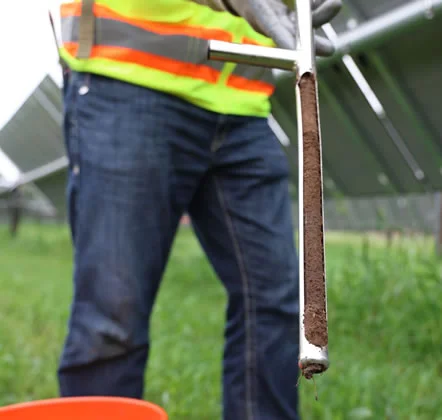
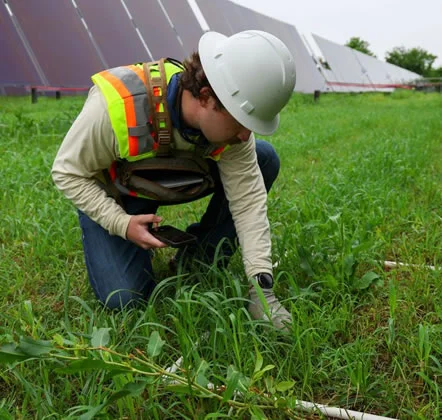
Routine soil health assessment
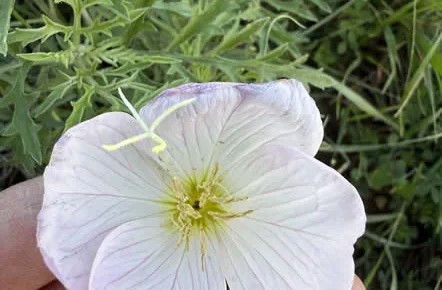
Biodiversity and vegetation monitoring, peak bloom
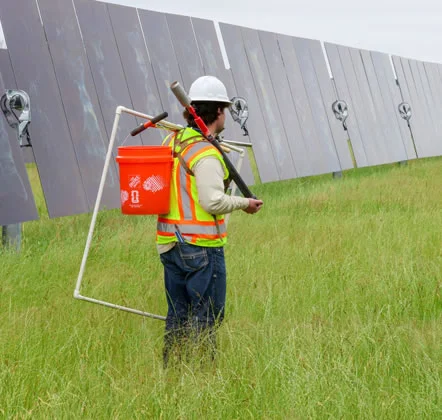
Vegetation transect
From the Field
Field notes on grassland and shrubland restoration, written for the people who specify, permit, and manage this work
Request a consultation. The first conversation covers likely site requirements, which questions existing data can answer, which need a field season, and what a defined first phase would include.
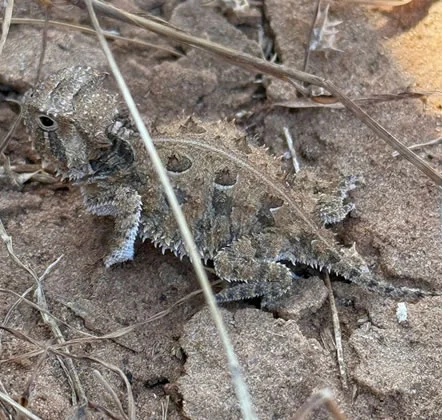
Practice focus Verdelora works in grassland and shrubland ecosystems, including tallgrass, mixedgrass, and shortgrass prairie and shrubland, under rangeland and pastureland management. We design and oversee native plantings for vegetation establishment, pollinator habitat, and wildlife habitat.
Establishment starts with the soil Seedling recruitment is limited by seed supply, by the availability of suitable microsites, or by both. Herbivory, competition from residual vegetation, and year-to-year precipitation modify each. In a seeded restoration, the specified mix largely sets seed supply. Microsite availability remains a site constraint. On graded and compacted ground, it depends largely on soil physical, chemical, and biological condition. Verdelora characterizes that condition first, so the specification addresses the constraint that limits establishment.
A defined target for every site Each design begins with a reference model. Verdelora builds it from the ecological site potential of the soils present, remnant vegetation on or near the property, and high-integrity regional reference sites on comparable ecological sites, adjusted for projected climate. The land use the site will be held under sets the recovery target relative to that model. The model is both the design specification and the monitoring standard, meaning progress in year five is reported as measured distance toward a stated target.
Measurable attributes Targets are written as measurable attributes:
Threat abatement
Soil physical and chemical condition
Floristic composition
Vegetation structure, across vertical layers and horizontal patchiness
Functional processes, including infiltration, nutrient cycling, and pollinator support
Connectivity with adjacent land
Recovery is reported as position along a gradient toward the reference model. The expected degree of recovery is set when the plan is written. A graded footprint under active operations and an intact remnant under stewardship carry different ceilings.
Altered states Where degradation has crossed a threshold, a site may persist in an alternative vegetation state. Altered soil condition, a depleted native seed bank, an established introduced perennial sod, or a modified disturbance regime can hold it there. Verdelora identifies the controlling constraint and prescribes treatment directed at that mechanism.
Findings and accountability Condition and occurrence are reported as discrete findings. A species detected on site, a species detected adjacent to the site, and suitable habitat without a detection are each reported separately. Every commitment carries a named accountable party and a defined verification method.
We use cookies to ensure that we give you the best experience on our website. If you continue to use this site we will assume that you are happy with it.